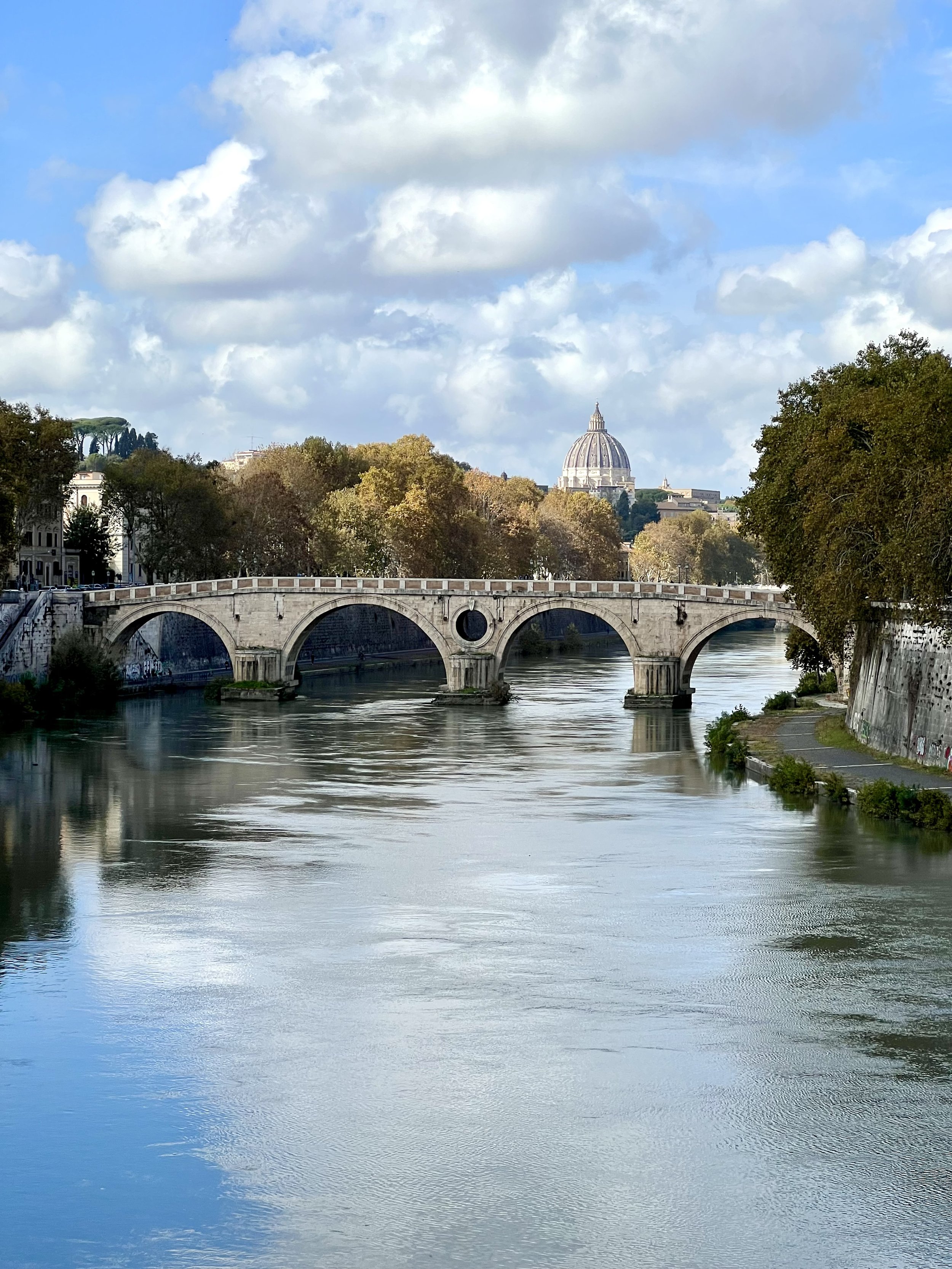
Italy
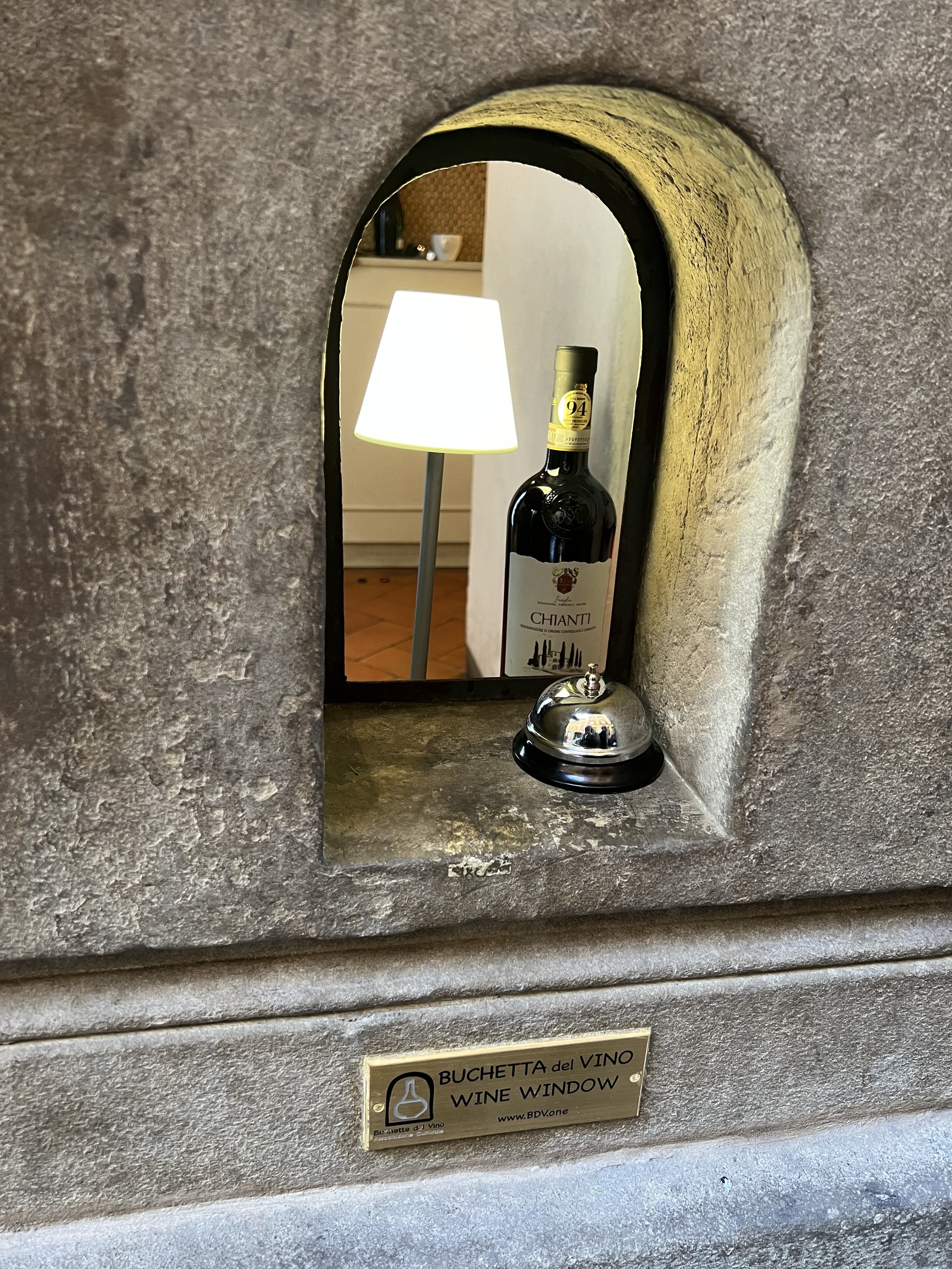
[ overview ]How do you even begin to describe the magic of Italy? It’s captivating in a way that feels almost impossible to put into words—like every moment is layered with beauty, history, and something a little intangible you can’t quite explain. In Tuscany, everything glows a little warmer. Rolling hills stretch endlessly, vineyards catch the light just right, and time seems to slow down over long lunches and exceptional wine. Then there’s Florence—a city that feels like walking through a living gallery. I loved wandering its streets, passing tiny artisan shops filled with one-of-a-kind treasures, watching street artists bring their work to life, and constantly feeling like something beautiful was waiting just around the corner. Even something as simple as stopping at a wine window felt like stepping back in time, a small moment that somehow captures the soul of the city.
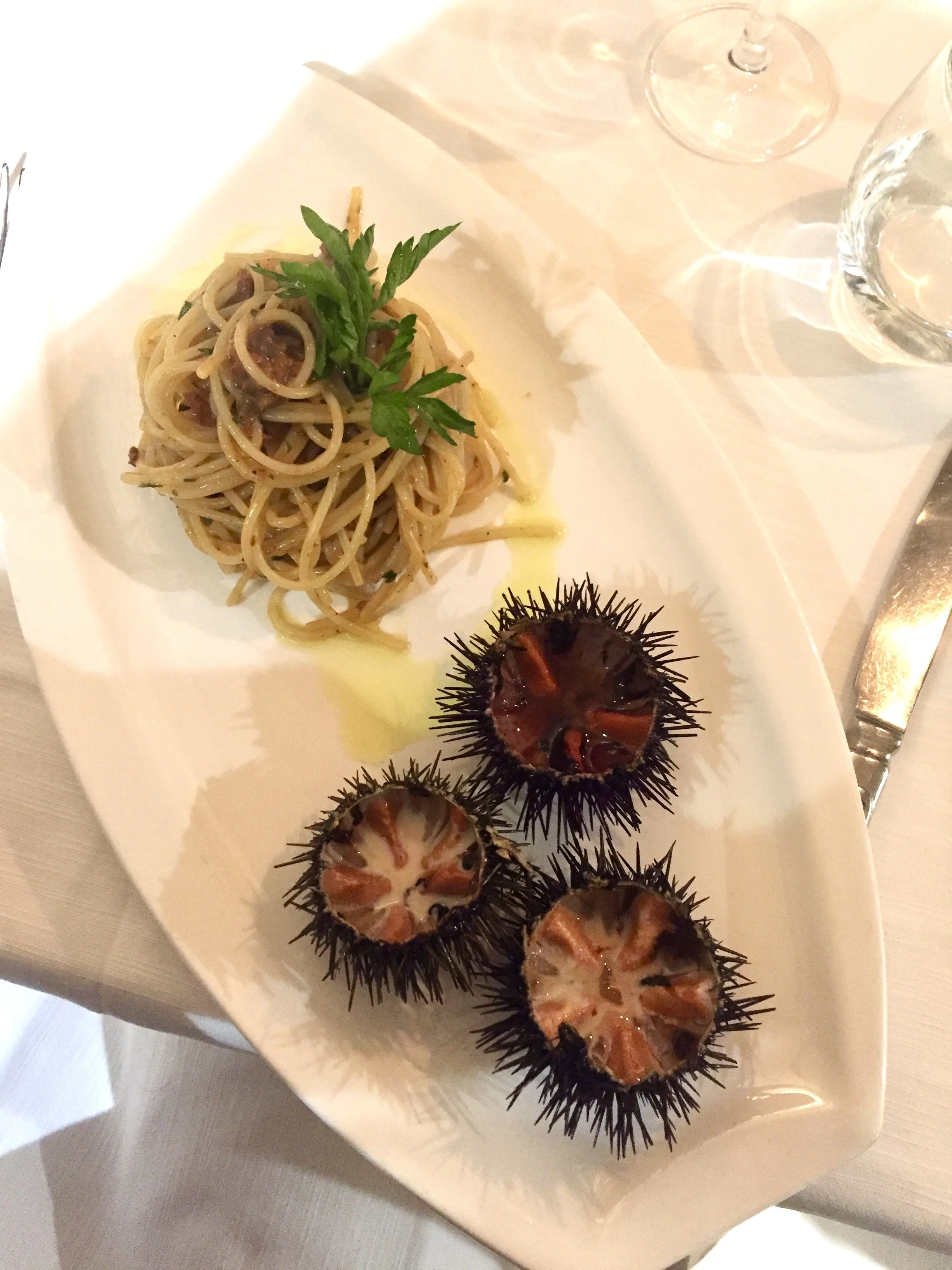
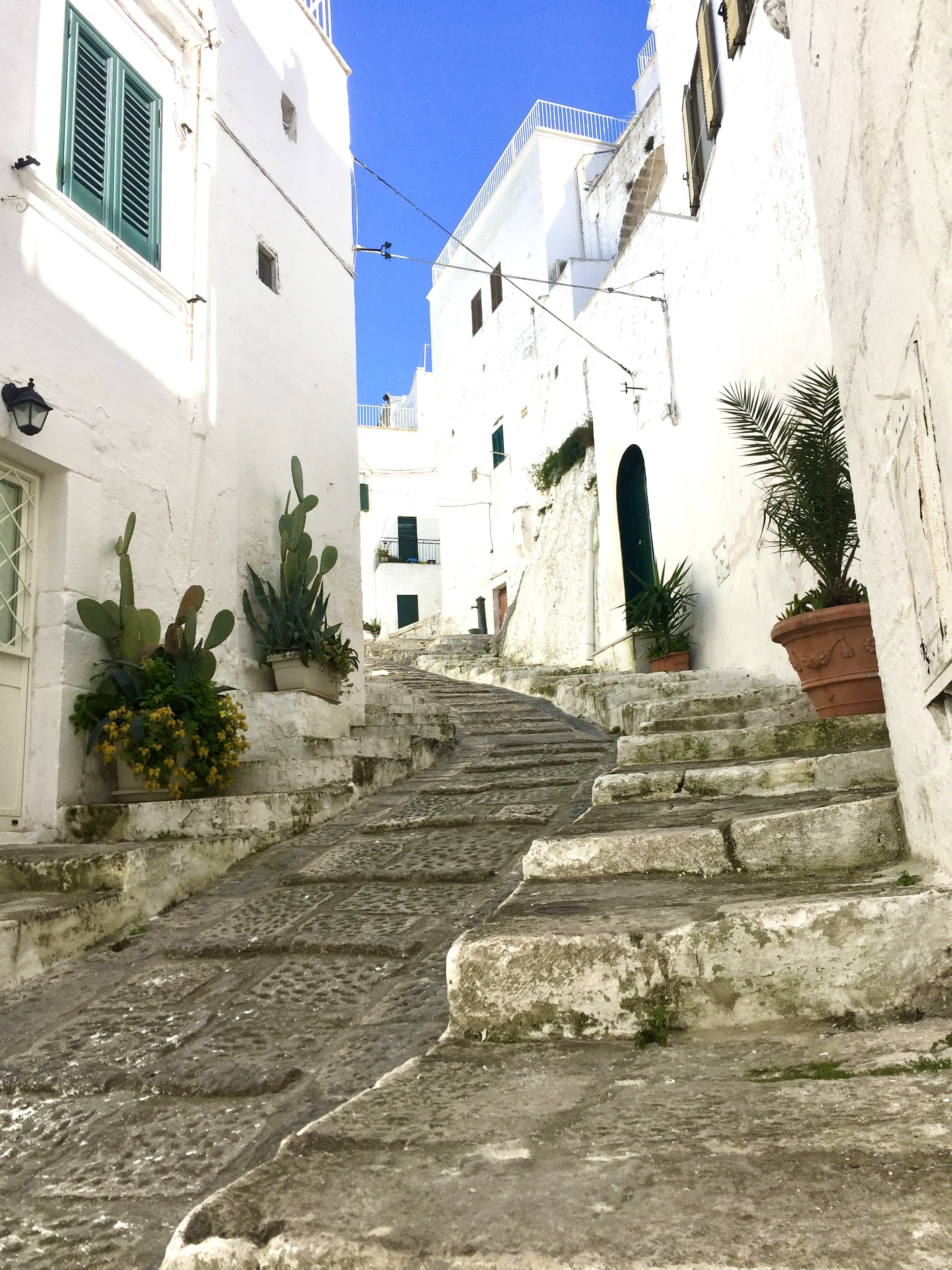
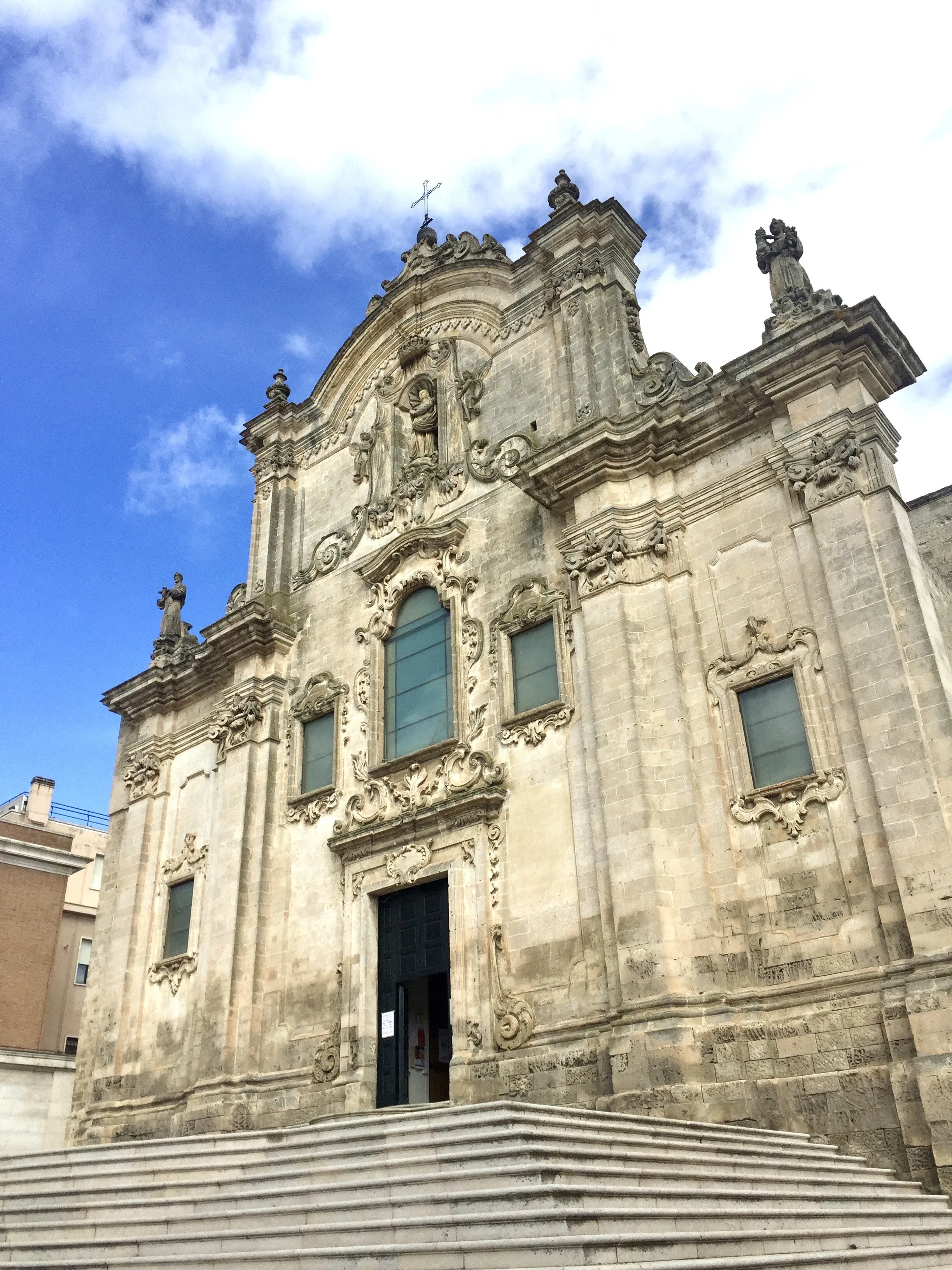
And then you have Rome—which is truly in a league of its own. It’s ancient and alive all at once, where everyday life unfolds against a backdrop of history that most places would put behind glass. You turn a corner expecting just another street, and suddenly you’re face-to-face with the Colosseum—casual, unbothered, as if it hasn’t been standing there for centuries. That contrast is what makes Rome unforgettable. And just when you think you’ve experienced it all, the south calls. Puglia is sun-drenched and stunning, with whitewashed buildings that reflect the light beautifully and architecture shaped by centuries of different cultures passing through. The sea is impossibly blue, the seafood is fresh and vibrant, and there’s an exciting, growing wine scene that still feels a little undiscovered. The people are warm, the pace is slower, and everything invites you to stay a little longer.
I find myself choosing Italy again and again, and it’s never for just one reason. It’s the way the food, the culture, the landscapes, and the people all come together to create something that feels truly magical. Italy doesn’t just live up to the dream—you somehow leave feeling like it gave you even more than you imagined.
[ highlights ]Sample Itinerary
Day One
Arrive in Florence in the morning and keep the day intentionally light. Private transfer or easy train into the city, check into your boutique hotel, and give yourself permission to not do too much.
Start with something grounding—an espresso and pastry at a local café, then a slow wander through the streets with no agenda. Let yourself get a little lost. Walk along the Arno River, cross over the Ponte Vecchio, and just take it all in.
Early evening: a relaxed dinner reservation (nothing too formal), followed by an early night to reset after travel.
Day Two
This is your “explore, but don’t rush” day.
Start with a loosely guided walking experience (or self-guided if preferred), focusing on neighborhoods like Oltrarno where artisan shops live. Pop into leather stores, paper shops, and small galleries.
Midday: stop at a traditional trattoria for a long lunch and a glass of wine.
Afternoon: visit the Duomo area or a museum if you feel like it—but no pressure. Leave space for spontaneity.
And yes—a wine window experience is a must. It’s a small, magical moment that feels like stepping back in time.
Dinner: something a bit more special tonight.
Day Three
Today is all about the Tuscan countryside.
Private driver or small-group experience into Tuscany—think vineyards, olive groves, and those iconic rolling hills.
Wine tasting at a boutique vineyard, followed by a long, leisurely lunch overlooking the countryside. No rushing, no over-scheduling—just soaking it all in.
Return to Florence in the late afternoon. Quiet evening—maybe a simple dinner or even room service.
Day Four
Morning train to Rome (about 1.5 hours—easy and scenic).
Check into your boutique hotel and take the afternoon to settle in. Rome is best experienced slowly.
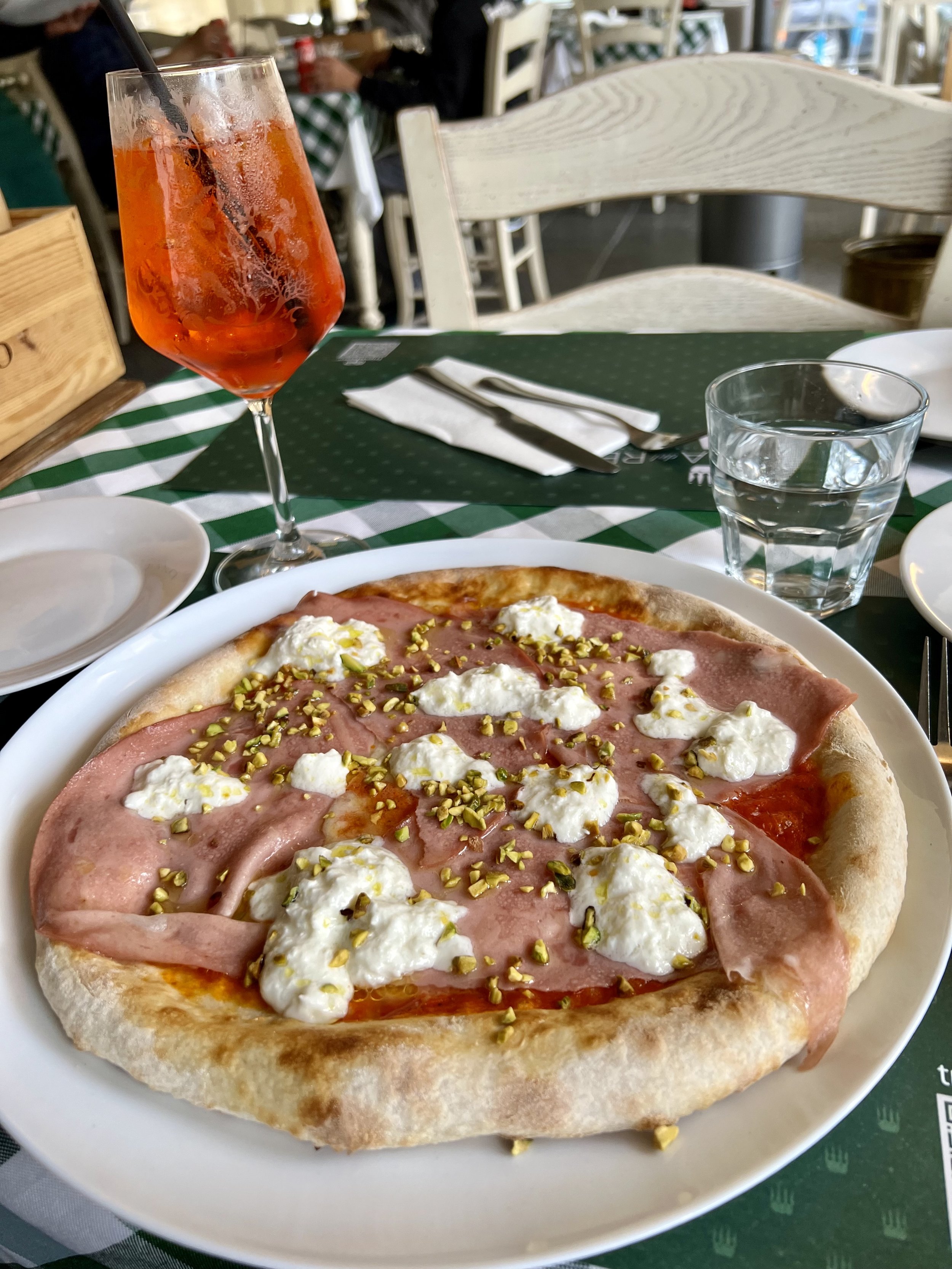
Late afternoon: head out for a wander—no strict plan. Let Rome reveal itself. Grab a spritz, people watch, and ease into the city’s energy.
Dinner in Trastevere—lively, local, and perfect for a solo traveler.
Day Five
This is your “Rome magic” day.
Optional: a guided experience in the morning to give context (Colosseum, Roman Forum, etc.), but keep it focused—not overwhelming.
The rest of the day is yours to wander. Rome is incredible because history just… appears. You turn a corner and suddenly you’re standing in front of something ancient and massive.
Build in time to sit at a café, journal, or just watch the world go by.
Dinner: a beautiful, coursed meal. Take your time—this is part of the experience.
Day Six
Start the morning exploring Villa Borghese for a peaceful escape from the city. Then off to a cooking class (fun, social, and hands-on and a great lunch).
Evening: rooftop aperitivo overlooking the city, followed by a final memorable dinner.
Day Seven
Slow morning. Coffee, maybe one last walk, maybe one last pastry.
Transfer to the airport for a mid/late-day flight—no stress, no rushing.
[suggestions ]It’s all in the details…
We offer thoughtfully designed itineraries that can be as detailed or as flexible as you’d like. If you love a fully curated, high-touch experience where every detail is seamlessly planned, we’ve got you. Prefer a more independent approach with curated suggestions and the freedom to shape your days as you go? That works beautifully too. We can also provide handpicked recommendations—from must-see experiences to standout restaurants—so you have a trusted starting point without spending hours researching on your own.